


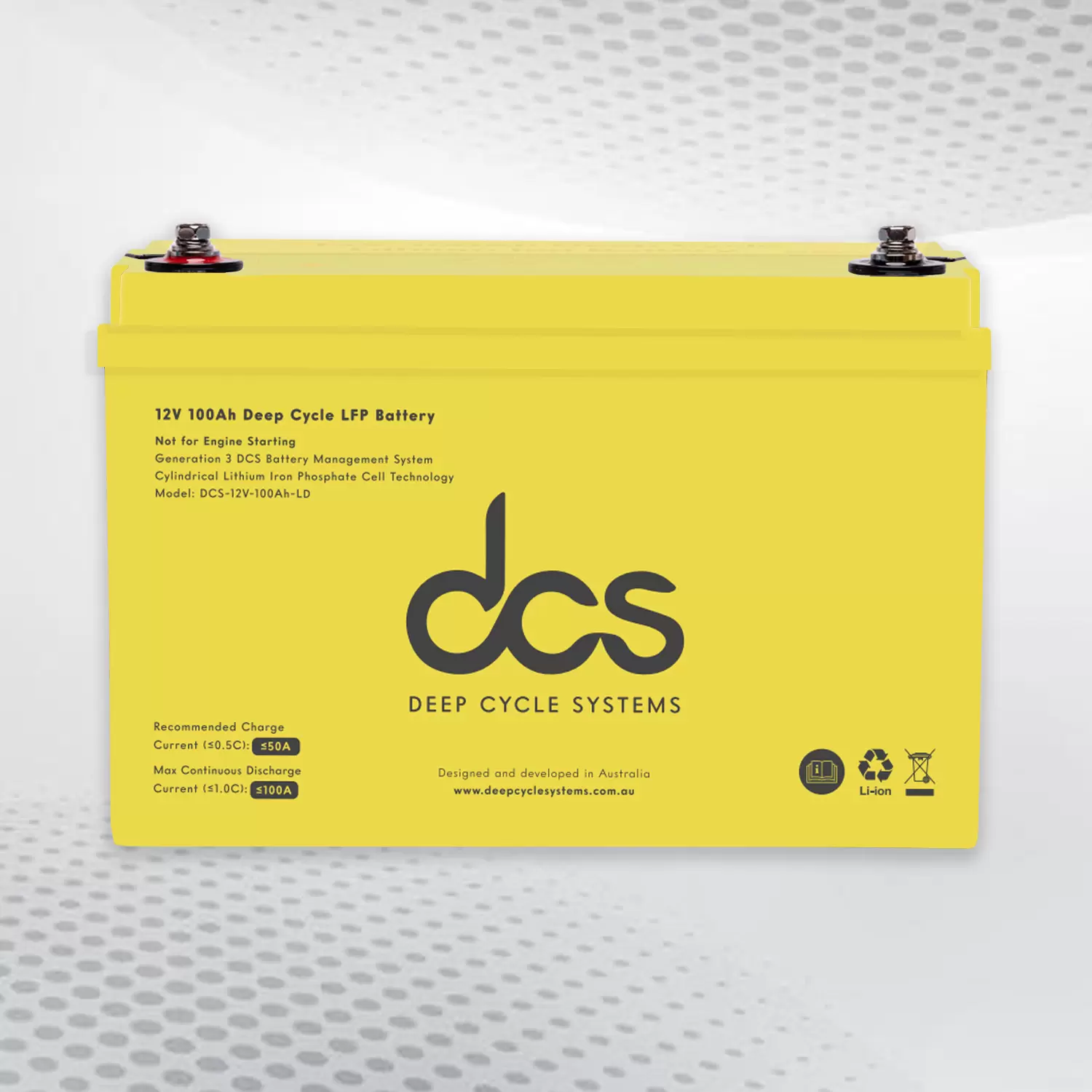

The demand for efficient and reliable energy storage solutions is rising in today’s fast-paced world. One technology that has gained immense popularity in recent years is the 100Ah Eli Ion battery. This powerful battery can provide high energy density and long-lasting performance, making it a preferred choice for various applications, from electric vehicles to renewable energy storage systems. This blog post will delve deep into the workings and benefits of the Li Ion Battery 100ah, exploring its features and advantages that make it stand out in the market. So, let’s get started!
Understanding the Eli Ion Battery
Eli Ion batteries, particularly the 100Ah variant, are lithium-ion batteries that harness the power of lithium ions to store and discharge energy. They have emerged as a revolutionary technology in the energy storage industry, transforming many sectors, from automotive to renewable energy systems. Eli Ion batteries work on lithium-ion intercalation and DE intercalation, where lithium ions move from the anode to the cathode during charging, and the reverse occurs during discharging. This movement of ions is facilitated by an electrolyte, a medium that provides the pathway for ion migration.
The distinctive advantage of Eli Ion batteries lies in their ability to deliver high energy density, implying they can store more energy per unit volume than most other batteries. Their operational efficiency, coupled with their compact size, makes them an ideal power source for a multitude of applications. Furthermore, their low self-discharge rate ensures their long-term power storage solution viability. The Eli Ion battery is a manifestation of advanced technology, serving as a testament to the tremendous strides made in energy storage solutions.
Exploring the Unique Features of the 100Ah Eli Ion Battery
Among the noteworthy attributes of the 100Ah Eli Ion battery is its impressive energy density. This means that it can store and deliver more energy relative to its size, giving it an edge over many other types of batteries. This superior energy density makes the battery ideal for applications requiring a small but potent power source. Additionally, this battery variant has a low self-discharge rate. This characteristic enables it to retain its charge over extended periods, making it a reliable power source for long-term storage applications.
The 100Ah Eli Ion battery also possesses a robust battery management system that monitors and regulates its charging and discharging processes, ensuring optimal performance and safety. These distinctive features, compact design, and high operational efficiency set the 100Ah Eli Ion battery apart, highlighting its superiority in energy storage solutions.
Investigating the Construction of the Li Ion 12v 100ah
Unveiling the structure of the Li-ion 12V 100Ah reveals a carefully engineered design that harnesses lithium-ion technology for optimum performance. Here’s a breakdown of its Construction.
Construction: Anode:
Typically composed of carbon-based materials, the anode in a 100Ah Eli Ion battery facilitates the storage of lithium ions during the charging process. This part is vital in determining the battery’s capacity and stability.
– Cathode:
Made up of lithium metal oxide, the cathode acts as the positive electrode, discharging lithium ions during the battery’s operation. The material choice for the cathode significantly impacts the battery’s voltage and energy density.
– Electrolyte:
The electrolyte in the 100Ah Eli Ion battery serves as the conduit for lithium ions, enabling their movement between the anode and cathode. It is often a lithium salt solution chosen for its efficiency in conducting ions.
– Separator:
This thin, porous layer separates the anode and cathode, preventing any direct contact that could lead to a short circuit. Despite its thinness, it is sturdy enough to withstand the battery’s internal pressures.
– Battery Management System (BMS):
A vital component in the li-ion 12V 100Ah, the BMS continuously monitors the battery’s charging and discharging processes. It mitigates potential risks such as overcharging or overheating, thus preserving the battery’s health.
– Casing:
The battery’s casing provides a robust outer shield, protecting the internal components from physical damage or environmental factors.
This detailed look into the 100Ah Eli Bioconstruction battery construction illustrates its intricate design, underlining the meticulous engineering contributing to its exceptional performance.
Comprehending the Charging and Discharging Process
The charging and discharging process lies at the heart of an Eli Ion battery’s operation. During charging, an external power source applies a voltage across the anode and cathode, driving lithium ions from the cathode through the electrolyte and into the anode. This accumulation of ions at the anode contributes to the energy stored in the battery. Conversely, the applied voltage is removed during discharging, allowing the lithium ions to migrate back to the cathode.
This movement of ions from the anode to the cathode generates an electric current, supplying power to connected devices. It’s worth noting that the charging and discharging rate plays a vital role in maintaining the battery’s health. Rapid charging or discharging can cause undue strain, potentially damaging the battery over time. Hence, maintaining a moderate rate of ion movement is key to ensuring the longevity of the 100Ah Eli Ion battery.
Reviewing the Practical Applications of the Lithium Ion Battery 12v 100ah
The lithium-ion 12v 100ah, or the 100Ah Eli Ion battery as commonly known, finds applications in many sectors. Its notable energy density and compact design have made it a favorite in the automotive industry, specifically for electric vehicles. Its ability to provide a steady, reliable energy source makes it ideal for solar energy storage systems. Additionally, it has found extensive use in powering telecommunications equipment due to its low self-discharge rate and high efficiency.
Portable devices such as laptops, cameras, and smartphones also harness the power of this variant of Eli Ion battery for long-lasting performance. The battery’s resilience and adaptability have made it a dependable choice for emergency power backup systems. From everyday gadgets to large-scale industrial systems, the Lithium Ion Battery 12v 100ah continues to find novel applications, underscoring its versatility and efficiency in energy storage solutions.
Assessing the Safety Measures in 12v 100ah Lithium Ion Battery
The 12v 100ah lithium-ion battery is engineered with many safety measures to ensure a secure and efficient operation. It features a robust Battery Management System (BMS) that continually monitors the battery’s operational status, identifying potential issues such as overcharging or overheating and implementing corrective actions as required. This dynamic system plays a pivotal role in maintaining the overall health and longevity of the battery.
The battery’s structural design also contributes to its safety, with the robust casing providing a sturdy shield against external factors that could compromise its performance. The Li-ion 12v 100ah battery is also equipped with fail-safe circuitry to prevent potential short circuits, further enhancing its safety profile. This meticulous attention to safety and operational efficiency gives the 12v 100ah Lithium Ion Battery its solid reputation in energy storage solutions.
Understanding the Environmental Impact of Eli Ion Batteries
The environmental impact of Eli Ion batteries, including the 100Ah variant, is relevant in contemporary discourse. These batteries are praised for their efficiency and longevity, but their ecological footprint must also be considered. During production, Eli Ion batteries require the extraction and processing of lithium and other minerals, which could contribute to environmental degradation. Additionally, disposing of spent batteries can pose a significant ecological challenge if not managed responsibly.
However, advances in recycling technologies are helping to address this issue, facilitating the recovery and reuse of valuable materials from used batteries. Eli Ion batteries also have an advantage over conventional fossil fuels, as they emit no harmful pollutants during operation, thereby reducing greenhouse gas emissions. Like any technology, the 100Ah Eli Ion battery’s environmental impact is multifaceted. It is a blend of challenges that require attention and potential benefits that underscore its place in a sustainable future.
Maximising the Lifespan of Eli Ion Batteries
Caring for an Eli Ion battery involves more than simply keeping it charged. The lifespan of these batteries can be considerably prolonged through careful and strategic handling. A fundamental step towards preserving the health of these batteries involves using a suitable charger specifically designed for Eli Ion batteries, as it helps to optimise charging efficiency and prevent potential damage. When the battery is not in use for extended periods, keeping it partially charged is advisable.
This practice prevents complete discharging, adversely impacting the battery’s health. Another strategy involves minimising the load on the battery, wherever feasible, to reduce undue stress. Employing temperature control measures also plays a crucial role in battery care, as extreme temperatures can harm the battery’s performance and longevity. Regularly check the battery’s performance and promptly any issues contributing to its lifespan. Through these proactive measures, the lifespan of Eli Ion batteries can be maximized, ensuring they continue to deliver efficient and reliable performance over time.
Maximising the Lifespan of Your Li-Ion Battery
Cultivating the longevity of a Li-Ion battery involves a reasonable approach to its maintenance and use. Appropriate charging habits, for instance, play a critical role in preserving the battery’s lifespan. Avoiding full discharges and recharging the battery when it drops to about 20% can help maintain its health. Similarly, preventing overcharging is vital, which can be achieved by disconnecting the battery when fully charged. Using the device regularly and avoiding long periods of inactivity also aids in sustaining the battery’s efficiency.
On the environmental front, ensure that the battery operates in moderate temperatures, as extreme hot or cold conditions can adversely affect its performance and longevity. It is additionally keeping the battery clean. Specifically, the contacts can prevent power loss and extend their life. It’s also prudent to store the battery properly when not in use; a cool, dry place is often recommended. A well-maintained Li-Ion battery guarantees optimal performance and contributes to sustainability by reducing the need for frequent replacements.
 Unleashing the Power: Performance of 100Ah Eli Ion Battery
The performance of the 100Ah Eli Ion battery is marked by its robust energy output, longevity, and operational efficiency. Its high energy density enables it to deliver consistent and powerful performance, meeting the demands of various applications. The battery’s low self-discharge rate further enhances its performance, ensuring it retains its charge over extended periods.
Moreover, its robust battery management system efficiently regulates its operational processes, contributing to optimal power output and longer lifespan. The compact and innovative design of the 100Ah Eli Ion battery also supports its exceptional performance, enabling it to provide high energy output within a small volume. With its steadfast reliability and superior energy delivery, the 100Ah Eli Ion battery excels in its performance, reinforcing its position as a potent and versatile power source in the energy storage landscape.
FAQS
What makes the Li Ion Battery 100ah superior to other batteries?
Li Ion Battery 100ah key lies in its high energy density, compact design, and low self-discharge rate, ensuring consistent and powerful performance.
How does an Eli Ion battery work?
The battery operates on the principle of lithium-ion intercalation and DE intercalation facilitated by an electrolyte.
How can I prolong the lifespan of my Eli Ion battery?
Is another popular question. Maintaining a moderate charging and discharging rate, using a suitable charger, and keeping the battery partially charged during extended periods of inactivity can help maximize its lifespan.
What is the environmental impact of Eli Ion batteries?
While their production and disposal can pose environmental challenges, their operational efficiency and advances in recycling technologies offer significant benefits.
Where can the 100Ah Eli Ion battery be used?
This battery finds versatile applications in electric vehicles, solar energy storage systems, telecommunications equipment, portable devices, and emergency power backup systems.
Conclusion
In conclusion, the Li Ion Battery 100ah, with its high energy density, long lifespan, and efficiency, is a testament to the advancements in energy storage solutions. Despite the challenges related to environmental impact and the complexities of its Construction, its construction road application in various sectors speaks volumes about its effectiveness and versatility. The future of this innovative technology seems promising, with ongoing research and developments that aim to maximize its performance and minimize its ecological footprint. The 100Ah Eli Ion battery continues to revolutionise energy storage, powering a sustainable and efficient future.
| Other Good Articles to Read |
| skank blogs |
| unreal blogs |
| tba blogs |
| all city forums |
| dany blogs |
| refuge blogs |
| the music blogs |
| key forums |
| the big blog theory |
| joe blogs |
| blogs 4 me |
| Blogs Emon |
| Related Business Listings |
| Contact Directory |
| Local Business Profiles |