


A heat recovery ventilator (HRV) is an air-to-air heat exchanger used to recover heat from the indoor air stream and transfer it to the outside air using a fan. Heat Exchange System is a great way to save money on your energy bills, as it reduces the amount of heat loss in your home. HRVs also improve air quality by replacing stale indoor air with fresh outdoor air.
Mechanical Ventilation And Heat Recovery Efficiently Transfer Fresh Air
The primary purpose of mechanical ventilation and heat recovery is to transfer fresh air throughout your home. Air is drawn in from the outside through the ventilation unit, which then passes through a heat exchanger before being distributed around the house. The heat exchanger can use to either warm or cool your home, depending on how you set it up. The heat exchanger uses a fan and an air-to-air heat pump to transfer heat from one room to another. It can warm or cool your home depending on how you set it up.
For example, it can be helpful if you have a heat pump that doesn’t work well in the winter. You can use the heat exchanger to warm up your home and then turn on the heat pump, so it only has to work a little bit. The air-to-air heat pump is located at the base of the ventilation unit and works by pulling air into one side while pushing it out of another.
Passive House Ventilation Systems Can Help You Create Cleaner And More Breathable Air
Now that you know the benefits of having an exchange system, let’s talk about how it works. Passive house ventilation is mechanical ventilation that transfers heat from one medium to another. It uses an airtight building envelope, allowing natural convection currents to carry away moisture, stale air, and other pollutants. It means that passive house ventilation system don’t use fans or blowers to circulate air; they rely on heat transfer through materials such as concrete floors and walls designed specifically for this purpose.
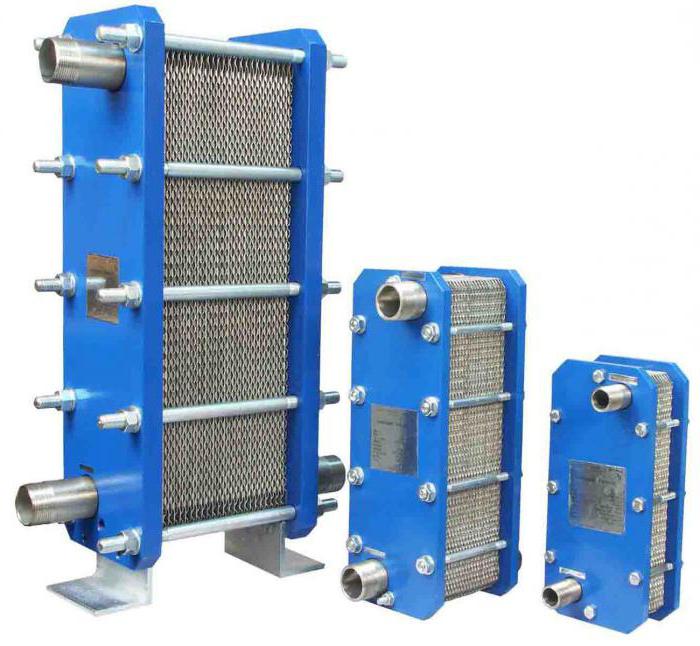 Passive house ventilation can also help reduce CO2 emissions because they don’t require electricity or fuel consumption like traditional heating methods – only energy is needed to run climate control systems like cooling units with minimal energy consumption as possible! Passive house ventilation is designed to provide fresh air without creating drafts so that you won’t feel a draft coming from any of the vents. They also come with several benefits, including less energy use, lower operating costs, reduced carbon emissions, and improved indoor air quality.
Home Heat Recovery Can Also Help To Reduce Energy Costs
The heat recovery system also helps you save money on energy bills. How? Well, the only way to heat your home is by using a supply of energy from fossil fuels or renewables like solar power. However, when you use a heat recovery system, some heat generated by fossil fuels will be captured and used to warm water in your home. It means that less energy needs to be used for heating purposes and reducing carbon emissions! You can also benefit from a Home Heat Recovery in your home by reducing the energy required to heat your home. As a result, you will see a reduction in your energy bills and carbon emissions.
Installing a Heat Recovery System in your home will save you money on your energy bill and reduce carbon emissions. A Heat Recovery System can install in an air handler or furnace or as part of a new HVAC system.
Passive House Heat Exchanger Help Improve Air Quality
The exchanger vent is a passive system that can help improve air quality. As the house inhales fresh air, the heat vent exchanges stale fumes and warm air in the home with fresh cold air. Passive House Heat Exchanger results in higher oxygen levels, lowering your carbon footprint and allowing you to feel more comfortable during those hot summer months.
The heat exchanger is an easy installation that requires little to no maintenance. It’s a great choice if you are looking for a system that will help improve the air quality in your home without having to do additional work. The heat exchanger system is an excellent choice for anyone who wants to improve the air quality in their home. It’s easy to install and requires no maintenance so you can enjoy the benefits of cleaner air immediately.
Heat Exchange System For Home Bringing In The Fresh Air And Removing Stale Air
The exchange systems for homes can reduce carbon footprint. A heating system for the home is a residential air conditioning system that uses the thermal energy in your house to heat or cool the house. Since it needs no electricity, it will not generate any greenhouse emissions. Heat Exchange System For Home for a home will create clean air in your house without using harmful gases like CFCs or HFCs as refrigerants. There aren’t any harsh chemicals involved in the process either, so you don’t have to worry about polluting the environment with toxic substances when you use this cooling system at home!
Heat exchange devices are also more efficient than conventional central AC units because they use less energy while keeping their surroundings much cooler– leading homeowners across America to adopt this technology in droves since its introduction about ten years ago!
Heat Exchanger VentsWill Help Create Clean Air Inside Your Home
One of the main reasons to get a heating system is to help regulate air quality in your home. The purpose of a heat exchanger vent is to increase ventilation, which can have several benefits to your health and well-being. Ventilating your home can help reduce allergens and decrease dust mites that come with them because they thrive in places where there is little airflow. It also increases the circulation of fresh air throughout the house so that no area has too many pollutants or odours compared with another area.
Heat exchangers can help improve air quality in several ways. They can reduce the pollution that enters your home by helping filter out particles, gases, and other irritants like dust mites. Heat exchangers can also help remove moisture from the air that might otherwise cause mould growth or damage certain household items like wood furniture if left unchecked.
House Heat Exchanger Is Easy To Maintain And Operate
House Heat Exchanger is easy to maintain and operate, so you don’t have to worry about spending hours on end cleaning your heat exchanger. All you need is a little elbow grease and some basic knowledge about how these machines work. To maintain the performance of your heat exchanger, you must clean it regularly. They suggest cleaning it once every six months; doing so will keep your water heater running smoothly for years without any problems.
Cleaning consists of several steps
- First, use wire brushes on both sides of the unit (the inlet and the outlet sides). It removes any build-up inside the machine that may affect its performance over time.
- Second, discard any debris collected during this process and wash down both sides with clean water until they’re shiny white again!
- If you have a gas water heater, check the thermocouple for signs of corrosion. If there’s any build-up on it, clean it off with wire brushes. It will ensure that the machine is operating at its total capacity.
Conclusion
The heat exchanger is an essential part of your home. It’s one of the best ways to improve air quality, save energy and make your home more comfortable. If you want to learn more about this technology, check out their website or contact them today!
If you want to improve your HVAC system’s performance or want to reduce energy costs and increase comfort, installing a heat recovery ventilator can help. Here are some reasons why you should consider installing a residential air to air heat exchanger in your home:
What Is A Home Air Heat Exchanger?
A home air heat exchanger is a device that takes the place of your current furnace or air conditioner. Instead of using electricity to power a heating or cooling coil, it uses the ambient air around your home.
It is one of the most cost-efficient methods for heating and cooling your home because it essentially replaces your existing system with one that uses free, renewable energy instead of fossil fuels (natural gas or propane).
Another benefit of this system is that it’s quiet while in operation—no loud noises will disturb neighbours!
Heat Recovery Air Exchanger Improves The Indoor Air Quality
A heat recovery air exchanger is a device that captures the heat from the exhaust air and transfers it to the incoming fresh air. It reduces the temperature difference between the inside and outside air, which improves indoor air quality by reducing humidity levels inside your house. It is possible because installing an HVAC system with a heat recovery device can reduce energy consumption by up to 50%.
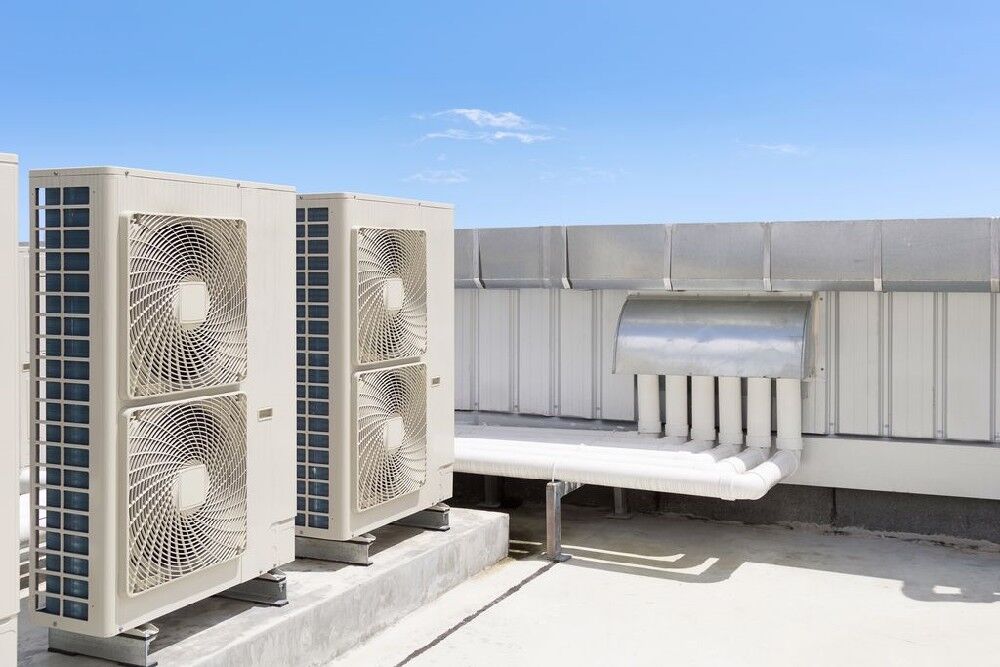
Heat exchangers can be installed in various areas of your home. The most common place to find them is in the ductwork, but they can also be placed outside or inside the house on a wall or ceiling. They are designed to work with any HVAC system.
Heat Recovery Exchanger Reduces Energy Costs
A heat recovery exchanger is a device that recovers heat from the exhaust air and transfers it to the fresh incoming air. This device saves lots of energy, enabling you to reuse almost all the heat that would otherwise be lost during ventilation.
Heat exchangers can be installed in new and existing homes, even if they are not connected to a heating system. They are also easy to maintain, which means you will save money on maintenance costs in the future.
The energy savings benefits of a heat exchanger are twofold:
They reduce energy consumption by transferring excess heat from one area (exhaust) into another (fresh incoming). In other words, you don’t need any additional fuel or power sources such as gas or electricity because this technology uses existing ventilation systems without significantly increasing their cost; therefore, installation doesn’t require any significant remodelling efforts either!
It Reduces The Risk Of Condensation And Mould Growth
Installing an air-to-air heat exchanger in your home allows you to reduce the risk of mould growth and condensation. Mould can be a severe health hazard and cause allergies, asthma, and other respiratory problems.
Condensation is also dangerous because it causes damage to your home’s structure and insulation, which could lead to high energy bills in the long run. The air-to-air heat exchanger also helps you save money on your utility bills by reducing the energy needed to heat and cool your home. It is because it allows you to use the outside air as an additional source of heat in the winter and cooler temperatures in the summertime.
A Residential Energy Recovery Ventilator Will Give You Comfort
If you live in a home with a central HVAC system, the residential energy recovery ventilator is a critical component of your heating and cooling system. It helps to provide the comfort of your home by recirculating air throughout the house. In addition to providing comfort, an ERV can also help reduce energy costs by displacing heat that would otherwise be exhausted outside through an air conditioner or furnace.
Another benefit of using an ERV is that it reduces noise pollution by removing excessive sound from each room before circulating throughout your home. It means there’s less noise for you and your family members to deal with during those hot summer days when everyone wants fresh air circulating through their rooms.
An ERV can also help reduce the risk of condensation and mould growth on cold surfaces such as windows or radiators because it keeps temperatures sufficiently warm without allowing cool outdoor air into spaces where these kinds of problems may occur more efficiently – such as between walls where insulation isn’t present (which could lead directly into kitchen cabinets).
It Reduces Noise Pollution
Noise pollution is one of the major concerns we face in the modern world. It can lead to health problems, stress and anxiety. A heat recovery ventilator or HVAC system can reduce noise pollution by 10 decibels.
It means that you will be able to sleep better at night knowing that your HVAC system is no longer making so much noise and disturbing your neighbours and yourself.
Heat recovery ventilators are also an excellent way to save money on your energy bills. They can help you cut your electricity costs by up to 75%, which is impressive. It makes them a perfect choice for anyone looking to make their home more eco-friendly and sustainable.
Residential Heat Recovery Systems Provide Enhanced System Performance
Residential heat recovery systems can be a great option if you want to save money on your energy bills. Residential ventilators exchange the air in your home with outside air while also giving you the comfort of fresh, clean air entering your home.
Enhanced System Performance
Using a residential ventilator will allow for improved system performance because you are changing out old outdoor air for new indoor air without having to use any additional energy. It means that your HVAC system will be more efficient at cooling and heating your home.
The Enhanced Durability Of The HVAC System
Another benefit to installing a residential ventilator is that it will extend the life of your HVAC system by removing contaminants from inside the ductwork.
Improved Indoor Air Quality
Residential ventilator systems also provide enhanced indoor air quality by removing mould spores and dust particles from within the ductwork while providing fresh exterior air into homes that have been closed up all winter long!
Residential Heat Recovery Ventilators Provide Enhanced Durability For Your HVAC System
Residential heat recovery ventilators provide Enhanced durability for your HVAC system.
HVAC is the most essential part of your home, and it’s also the most expensive part of a home. The HVAC system includes many features like a circulating fan, blower motor, condenser, evaporator, and ductwork. By installing a residential air-to-air heat exchanger, you can reduce the wear and tear on your HVAC system by providing cool air during summer and warm air during winter seasons.
It can increase the life of your HVAC system by up to 25%. They provide better indoor air quality and lower energy bills. They are available in different sizes and shapes according to your needs. They are also suitable for both residential and commercial use.
Conclusion
Suppose you’re looking for a way to improve the quality of your home HVAC system and save money on energy bills. In that case, installing a heat recovery ventilator is undoubtedly worth considering. It will help reduce noise pollution by keeping air moving through the ductwork and provide enhanced durability to your HVAC system by recovering waste heat from exhaust air before it enters the atmosphere.